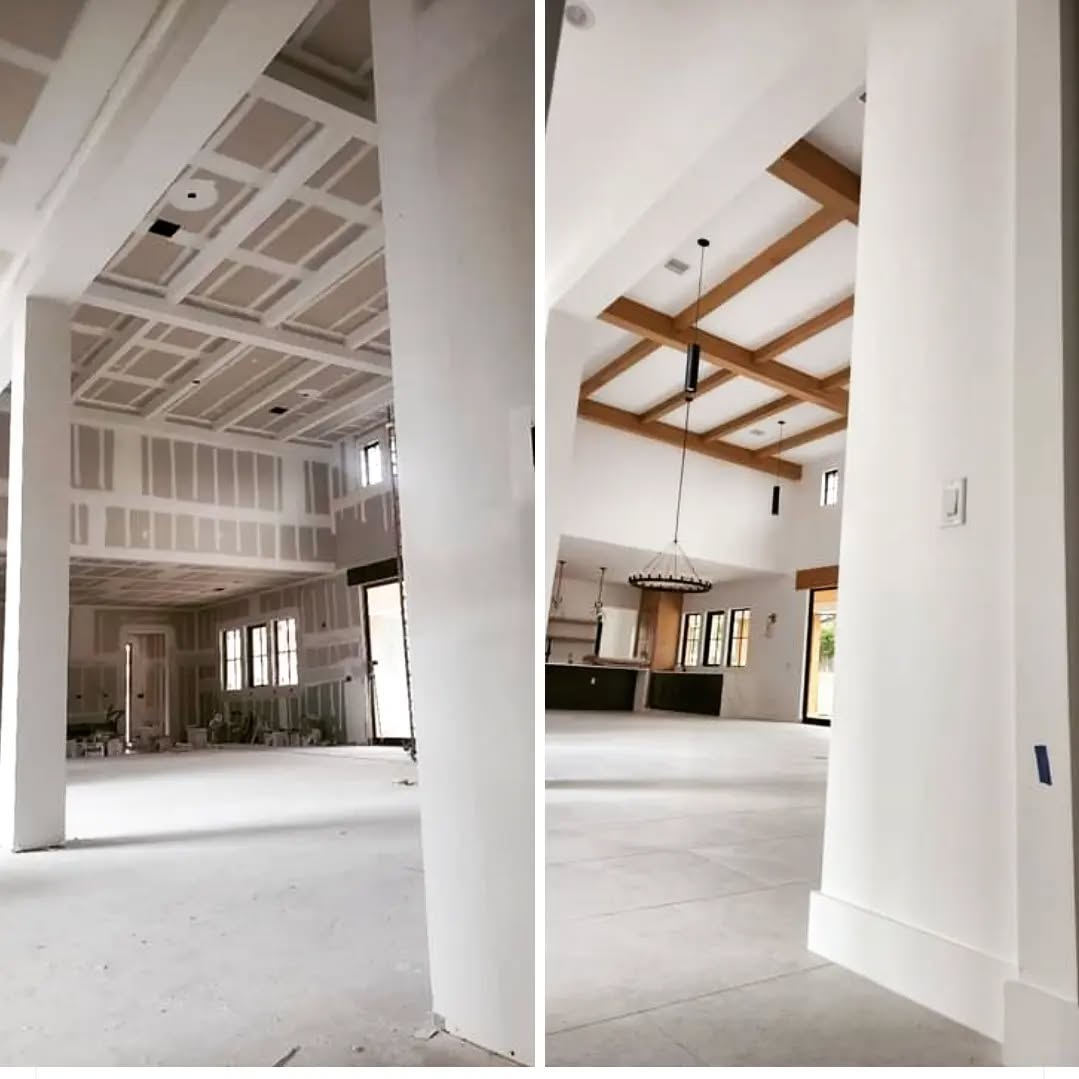
If you own a home in Texas, you know that our climate with hot summers, occasional heavy rains, and shifting soil can take a toll on your walls. Drywall cracks are one of the most common issues homeowners face, but most of them are easy to spot and fix if addressed early.
1. Identify the Type of Crack
Drywall cracks come in different forms:
Hairline cracks: Thin, superficial lines that appear near corners or seams.
Vertical or diagonal cracks: Often caused by settling foundations.
Wide cracks or bulges: Could indicate moisture damage or structural issues.
Pay close attention to their location and size as this will help you determine the best repair method.
2. Prepare the Area
Before repairing, make sure to:
Clean the area and remove loose debris or peeling paint.
Sand the edges of the crack for a smooth surface.
3. Repairing the Crack
For hairline cracks: Apply a thin layer of joint compound, let it dry, then sand lightly.
For wider cracks: Use drywall tape or mesh to reinforce the repair before applying joint compound. Multiple layers may be needed for a seamless finish.
For moisture-damaged areas: Remove the damaged drywall section, fix the source of moisture, and replace with new drywall.
4. Finish and Paint
Once the repair is smooth, sand the area to blend it with the surrounding wall.
Apply primer to seal the repair.
Repaint to match your existing wall color.
5. Prevent Future Cracks
Keep your home well-humidified in dry months to prevent drywall shrinkage.
Address plumbing leaks or water intrusion promptly.
Monitor your foundation for signs of shifting or settling.
Drywall cracks in Texas homes are common but manageable. With the right approach, you can maintain smooth, beautiful walls and avoid bigger issues down the road.